
If you are planning to teach English in Madrid in 2026, understanding the qualifications you need is one of the most important first steps. Requirements vary depending on the type of job you want and, for non EU citizens, the visa route you use to work legally in Spain.
The good news is that teaching English abroad remains accessible. With the right preparation, many career changers and recent graduates successfully start teaching in Madrid every year.
This guide explains the qualifications needed to teach English in Madrid, how they relate to different jobs, and what you need to know about visas.
General Requirements to Teach English in Spain
There is no single legal requirement to teach English in Spain, but employers have clear expectations. To be competitive and taken seriously, most teachers need a combination of training, education, and language ability.
TEFL Certification
A TEFL certification is the most important qualification for teaching English abroad.
Most employers in Madrid expect:
- A TEFL certificate of at least 120 hours
- Training in lesson planning, classroom management, and grammar
- Practical teaching skills, not just theory
A Level 5 TEFL course offers a stronger foundation and improves employability, especially in competitive schools and academies.
University Degree
A university degree is not always required by employers, but it is often required for visa purposes.
In practice:
- Many language academies prefer candidates with a bachelor’s degree in any subject
- A degree is usually required for visa sponsored programmes
- Holding a degree significantly increases job options
English Language Proficiency
You should be a native English speaker or have a high level of English proficiency, typically C1 or C2.
Non native speakers may need to provide proof through recognised exams such as IELTS or TOEFL.
Qualifications by Teaching Job Type
The qualifications you need depend on where and how you want to work.
Language Academies and Private Tutoring
This is the most common entry point for new teachers.
Typical requirements:
- TEFL certification
- Degree preferred but not always mandatory
- Strong communication and reliability
This route relies heavily on networking and building local experience.
Auxiliar de Conversación Programmes
Government language assistant programmes, such as NALCAP, place teachers in public schools.
Requirements usually include:
- An Associate’s or Bachelor’s degree in any subject
- Being a final year student can sometimes be sufficient
- TEFL certification is not required but is highly beneficial
These programmes are popular because they provide a legal visa route and part time hours.
International and Private Schools
These positions are the most selective.
They typically require:
- A formal teaching qualification from your home country
- Previous classroom experience
- A relevant university degree
- Sometimes Spanish language skills
These roles offer higher salaries and more stability but are highly competitive.
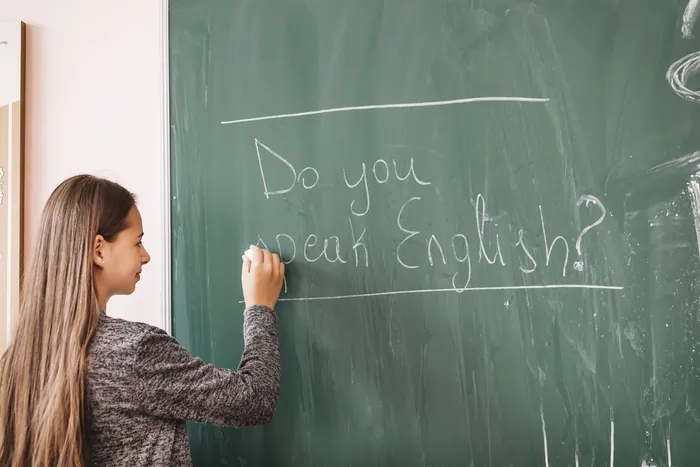
Seeing your students gain the confidence to use English in the classroom is one of the most rewarding parts of teaching in Madrid.
Visa Requirements for Non EU Citizens
For non-EU citizens, the visa is often the biggest challenge. Your qualifications play a key role in determining which options are available.
Student Visa
This is the most common and reliable visa route for teaching English in Madrid.
It usually involves:
- Enrolment in a recognised training programme
- Permission to work part time, up to 20 hours per week
- Often a degree requirement for university accredited courses
Many teachers combine a student visa with teaching work in academies or private tutoring.
Work Visa
Standard work visas are difficult to obtain for English teachers.
Employers must prove that no EU citizen can fill the position, which is rarely possible except for:
- Highly qualified teachers
- International school roles
- Government sponsored programmes
Working Holiday Visa
Citizens of countries such as Canada, Australia, New Zealand, Japan, and South Korea may be eligible.
This visa:
- Allows work for up to one year
- Has age limits, usually 18 to 30 or 35
- Does not require a degree, but TEFL certification is still expected
What Is the Safest Path to Teaching English in Madrid
For most people planning to teach English in Madrid in 2026, the safest and most effective path is:
- A recognised TEFL certification
- A university degree, if available
- A clear understanding of visa options
This combination maximises job opportunities and reduces legal uncertainty.
Start Your Teaching Journey in Madrid in 2026
Teaching English abroad is more than a job. It is a lifestyle change, a professional reset, and for many, a long term path.
If you are serious about teaching English in Spain, proper training matters. A strong TEFL course gives you the skills, confidence, and local support needed to succeed in Madrid’s job market.
Explore TtMadrid’s TEFL courses in Madrid and take the first step toward teaching English abroad in 2026.


Comments are closed.